Mitigating Burnout & Emotional Risks for Trainers.
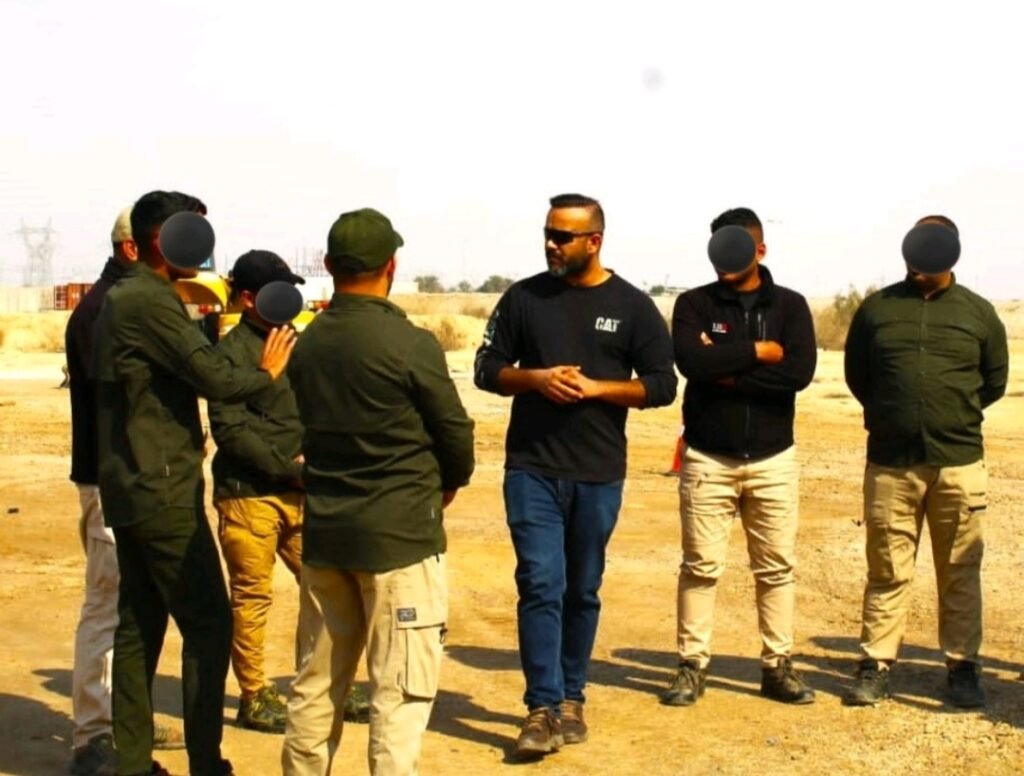
Effectiveness in any training program is intricately tied to the successful assimilation of new knowledge by participants. The realm of security training, with its inherent focus on real-world threats and potential dangers, introduces a unique set of emotional challenges for both trainers and trainees. This article delves into the nuanced emotional risks faced by security trainers, particularly in high-pressure environments, drawing upon my experiences in training and teaching programs like HEAT, SSAFE, and CST.
The Emotional Landscape of Security Training
Security trainers, much like professionals in psychology, counseling, journalism, healthcare, and emergency services, find themselves routinely exposed to narratives of traumatic events. This indirect exposure, especially in “high-pressure” groups where anxiety levels escalate, places trainers at an elevated risk of emotional stress. The complexity intensifies when dealing with detailed accounts of traumatic events, as trainers often immerse themselves in the victim’s perspective, potentially internalizing elements of the traumatic experience.
Emotional Fatigue in High-Pressure Environments
Working in “high-pressure” groups, where anxiety levels are heightened, security trainers encounter a unique set of challenges. The emotional connection formed during training, coupled with the immersive nature of recounting traumatic events, can lead to emotional fatigue and strain. This emotional toll extends beyond the confines of the training room, affecting the overall mental health and well-being of the trainers themselves.
Identifying Burnout Risks
Compassion Fatigue: Continuous exposure to traumatic narratives may lead to compassion fatigue, wherein trainers experience emotional exhaustion due to prolonged empathetic engagement.
Vicarious Trauma: Immersive storytelling may result in trainers experiencing symptoms similar to those who directly witness traumatic events, known as vicarious trauma.
Strategies for Mitigating
Before Training:
Plan training sessions with consideration, allowing sufficient recovery time between workshops for both trainers and participants.
Allocate time for recuperation from travel fatigue and jet lag before the training commences, ensuring a well-rested and engaged training environment.
Recognize that while some trainers may excel with minimal preparation, thorough readiness ahead of the workshop mitigates stress and enhances overall performance.
Enhance training effectiveness by arriving at the venue a day in advance. This allows for equipment checks and ensures that the training room is arranged to meet your preferences.
Inform colleagues in advance about your training commitments, clearly stating your unavailability for other projects during the training period.
Foster a positive training environment by collaborating with a trusted co-trainer, particularly in scenarios involving large groups or participants in the Orange Zone. This not only shares the workload but also enriches the training experience.
During Training Workshops
Facilitate with energy, encouraging participant involvement and fostering interaction.
Schedule regular breaks for participant refreshment and mental rejuvenation.
Stay adaptable, adjusting your training approach based on audience response for maximum impact.
Foster open communication, encouraging participant questions and collaboration.
Pay attention to participant well-being, adjusting the pace or content as needed.
Maintain a well-paced schedule, ensuring each training segment receives adequate time.
Utilize interactive tools or activities to enhance engagement and reinforce learning.
Provide constructive feedback during exercises, creating a supportive learning environment.
Address questions promptly, promoting a dynamic and responsive learning experience.
Encourage group collaboration, fostering teamwork and shared learning experiences.
Stay attuned to energy levels, adjusting your approach to keep participants engaged.
Assess progress regularly, ensuring learning objectives are met and making adjustments as necessary.
After Training is Completed:
Complete any necessary post-training tasks, such as reports, even when fatigued, to ensure timely and accurate documentation.
Allocate time for rest and recovery after training, recognizing the importance of personal well-being.
Identify any lingering traumatic material, including stories or images, and acknowledge their impact on your well-being.
Discuss unresolved traumatic material with your co-trainer, supervisor, or a trusted friend to share and process the emotional load.
If necessary, consult with a counsellor to address any unresolved traumatic material, ensuring comprehensive emotional well-being.